
Living in a city apartment does not mean you have to sacrifice your dream of a lush, green oasis. While sweeping backyards are wonderful, a small balcony holds incredible potential. With the right strategy, you can transform even the tiniest concrete slab into a stunning, thriving garden that serves as your personal retreat.
Whether you want a cozy reading nook surrounded by trailing vines or a mini urban farm to harvest your own herbs, balcony gardening is all about maximizing space and understanding your specific environment. It might seem intimidating at first, but building a balcony garden is incredibly rewarding.
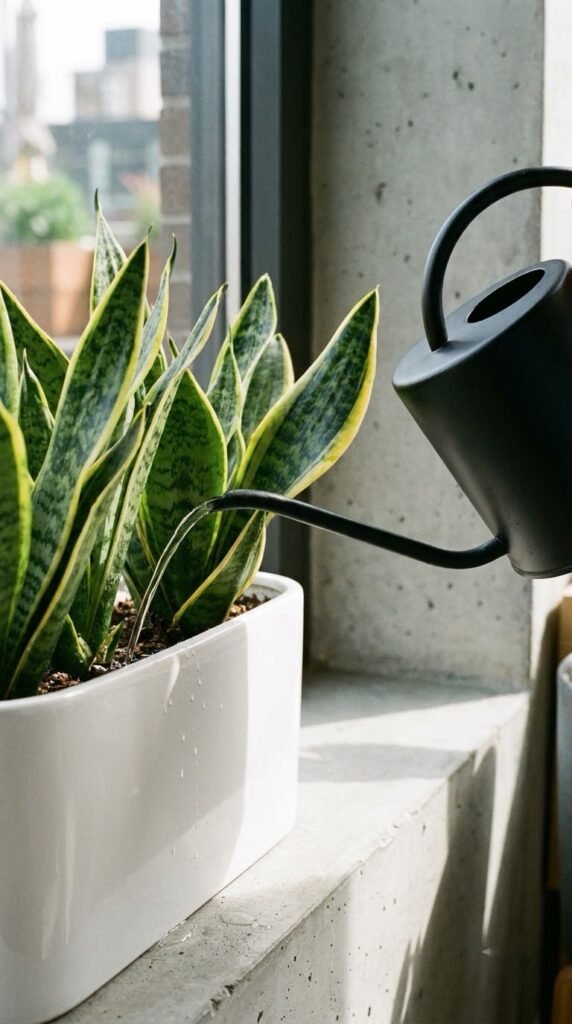
Step 1: Analyze Your Space and Sunlight Before you buy a single pot, seed, or plant, you need to understand the micro-climate of your balcony. Sunlight is the most critical factor in your garden’s success, and guessing will only lead to dead plants.
- Full Sun (6+ hours of direct sunlight): If your balcony faces south or west, you likely get full sun. This is ideal for growing vegetables, blooming flowers like petunias, and sun-loving herbs like rosemary, basil, and thyme.
- Partial Sun (3-6 hours of sunlight): East-facing balconies usually get morning sun, which is gentle and perfect for root vegetables, leafy greens, and plants like begonias or ferns.
- Full Shade (Less than 3 hours of direct sunlight): North-facing balconies get very little direct light. Do not panic; you can still have a lush space! Focus on foliage plants, hosts, ivy, and shade-tolerant herbs like mint and parsley.
Pro Tip: Also, pay attention to the wind. High-rise balconies can get incredibly windy, which dries out plants quickly and can knock over fragile stems. If your space is breezy, opt for low-profile, sturdy plants and heavier ceramic pots that will not tip over.
Step 2: Choose the Right Containers and Soil When space is at a premium, your choice of containers matters just as much as the plants themselves. You want to maximize your square footage without overcrowding the area.
- Go Vertical: Do not just look at the floor space; look up! Vertical gardening is a game-changer for small balconies. Use hanging baskets for trailing plants like photos or string of pearls. Invest in sturdy railing planters that hook securely over your balcony edge. You can even lean a wooden trellis against the wall for climbing vines.
- Drainage is Non-Negotiable: No matter how beautiful a pot is, it must have drainage holes. Waterlogged roots will quickly lead to root rot. If you fall in love with a decorative pot without holes, use it as a “cachepot.” Keep your plant in its cheap plastic nursery pot (which has holes) and simply slip it inside the decorative one.
- The Right Soil: Never use regular dirt from the ground. Balcony pots require high-quality “potting mix.” Potting mix is formulated to be lightweight, retain the right amount of moisture, and allow roots to breathe in a confined space.
Step 3: The Best Plants for Balcony Beginners If you are new to gardening, start with resilient, low-maintenance varieties that provide high visual impact without requiring a botany degree.
- The Herb Garden: Basil, mint, and chives are incredibly forgiving and grow quickly. Plus, nothing beats the aesthetic of stepping outside your living room to clip fresh garnishes for your dinner or a sprig of mint for your iced tea.
- Succulents and Cacti: If you have a sun-drenched, hot balcony and tend to forget watering, succulents are your best friends. Arrange a variety of shapes and colors in a shallow, wide bowl for a modern, architectural look.
- Statement Foliage: If your balcony is heavily shaded, snake plants, ZZ plants, and monsters will survive on minimal light and water while adding a highly sophisticated, tropical touch to your outdoor space.
Step 4: Watering and Maintenance Routine Potted plants dry out much faster than plants in the ground, especially on a windy balcony. During the summer, you may need to water your plants every single day.
The easiest way to check if your plants need water is the “finger test.” Push your index finger about two inches into the soil. If it feels dry, it is time to water. If it feels moist, wait another day. Always water at the base of the plant, directly onto the soil, rather than wetting the leaves, which can cause fungal diseases.
Step 5: Creating the Premium Aesthetic A true premium balcony garden is about more than just the plants; it is about the overall design and how you use the space. Stick to a cohesive color palette for your pots—like terracotta, matte black, or crisp white—to keep the small space from looking cluttered and messy.
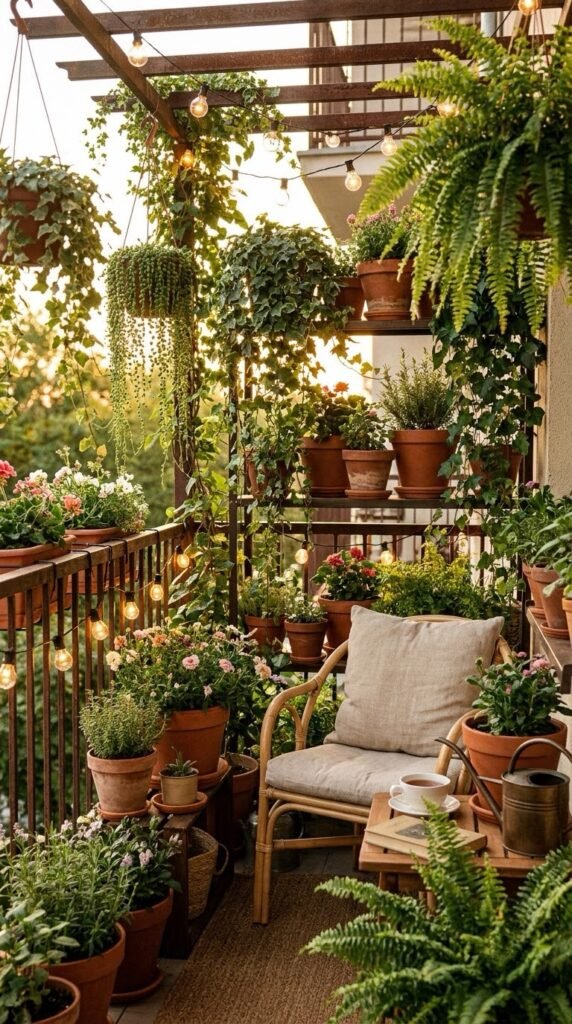
Add cozy, weather-resistant seating, like a sleek bistro set or a comfortable floor cushion. String up some warm-toned fairy lights or place a few solar-powered outdoor lanterns among the pots to create a magical atmosphere as the sun sets.
With just a weekend of work, your small balcony can transform from a forgotten storage space into an exclusive, relaxing outdoor haven!
Go Vertical with Living Walls
Floor space is the most valuable real estate on a small balcony. Instead of cluttering the ground with pots, move your garden to the walls.How to do it: Install a wooden trellis, a modular pocket planter system, or a grid of wall-mounted terracotta rings.Best plants: Pothos, ferns, and trailing ivy create a dense “jungle” look, while vertical herb gardens (basil, mint, thyme) are perfect for kitchen proximity.
Maximize the Perimeter with Railing Planters
,Your balcony railing is an untapped resource that safely extends your footprint outward and typically gets the best, unobstructed sunlight.
How to do it: Secure over-the-railing metal baskets or adjustable saddle planters. Ensure they bracket tightly or are zip-tied so they can withstand high urban winds.
Best plants: Bright blooming annuals like petunias and geraniums, or cascading greenery like creeping Jenny and String of Pearls.
Create Depth with Tiered Plant Stands
A flat arrangement of identical pots easily looks cluttered in a tiny area. Creating different heights draws the eye up and makes the balcony feel significantly larger and more deliberate.
How to do it: Use a narrow three-tier corner stand or a repurposed wooden step ladder. Place your heaviest pots on the bottom for stability
.Best plants: Structural plants like snake plants at the base, colorful coleus in the middle, and lightweight flowering zinnias at the top.