
When you scroll through high-end architectural digests or luxury interior design portfolios, you will notice one element that instantly breathes life and sophistication into every single space: greenery. Plants are no longer just a casual hobby for nature enthusiasts; they are powerful, sculptural design tools used by professionals to soften hard architectural lines, add organic warmth, and anchor a room.
However, simply buying a handful of potted plants and scattering them randomly across your apartment can often make a space feel cluttered rather than curated. Transforming an indoor plant collection into a cohesive, high-end interior design feature requires a intentional styling strategy.
If you want your urban jungle to look like it was hand-placed by a professional interior stylist, here are the core design principles you need to follow.
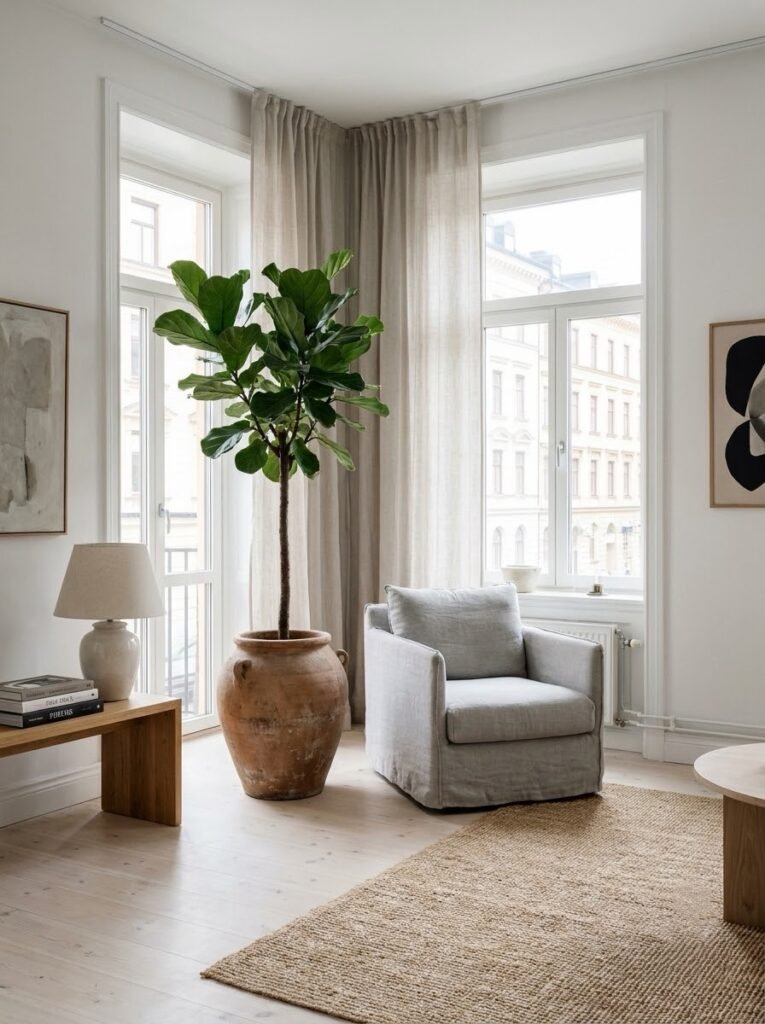
1. Master the Art of Varying Heights
One of the most common mistakes amateur plant parents make is placing all their green items at the exact same eye level—usually lined up in a straight row across a windowsill or a single TV console. This creates visual monotony.
Professional designers treat plants like furniture layout, focusing on vertical variation:
- Floor Plants: Use large, statement-making plants (like a towering Snake Plant, a ZZZ plant, or a fiddle-leaf fig) directly on the floor to anchor empty corners and draw the eye upward.
- Mid-Level Surface Plants: Place medium-sized pots on side tables, credenzas, or open kitchen counters.
- Trailing High-Level Plants: Utilize hanging baskets, floating wall shelves, or the top of a tall bookshelf to let trailing varieties like Photos or Heart-Leaf Philodendron cascade downward, creating graceful lines that soften hard furniture edges.
2. Commit to a Cohesive Pot Palette
Nothing ruins the high-end aesthetic of a gorgeous plant faster than leaving it in the cheap, shiny plastic nursery pot it came in, or placing a dozen completely mismatched, chaotic containers next to each other.
To achieve an editorial, designer-grade look, streamline your pot choices. Stick to a tight, harmonious material and color palette:
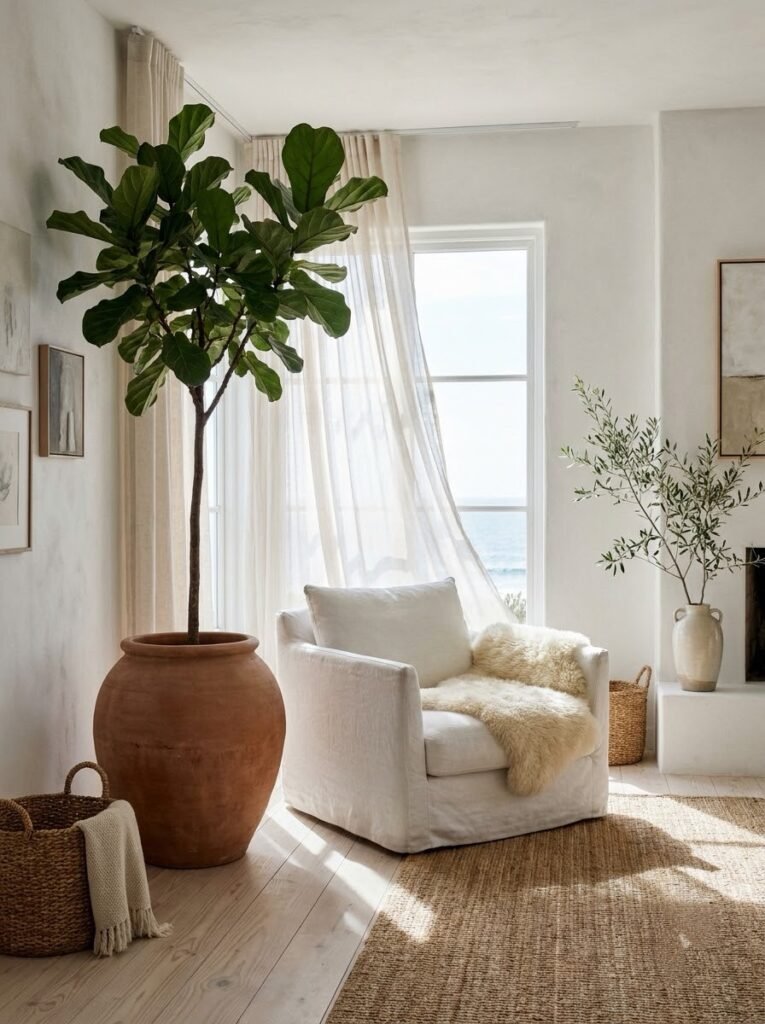
- Terracotta: Brings classic, rustic warmth and develops an organic patina over time.
- Matte Black or White Ceramic: Perfect for modern, minimalist spaces, creating a clean, architectural contrast against green foliage.
- Woven Baskets: Sea-grass or jute baskets add wonderful tactile texture and hide plastic nursery pots instantly.
3. Apply the Rule of Three
When grouping plants together on a coffee table, shelf, or mantelpiece, avoid symmetry and even numbers. Human eyes naturally find odd numbers—specifically groups of three—much more aesthetically pleasing and dynamic.
When grouping three pots together, vary their heights, shapes, and leaf textures. For example, pair a tall, upright succulent with a medium, rounded Photos and a tiny, delicate trailing vine. This creates a balanced, triangular visual composition that looks effortlessly chic.
4. Embrace Negative Space
It is easy to fall into the trap of wanting to fill every empty corner of your apartment with foliage. However, true minimalist luxury relies heavily on “negative space”—the intentional empty areas around an object that allow it to breathe and stand out.
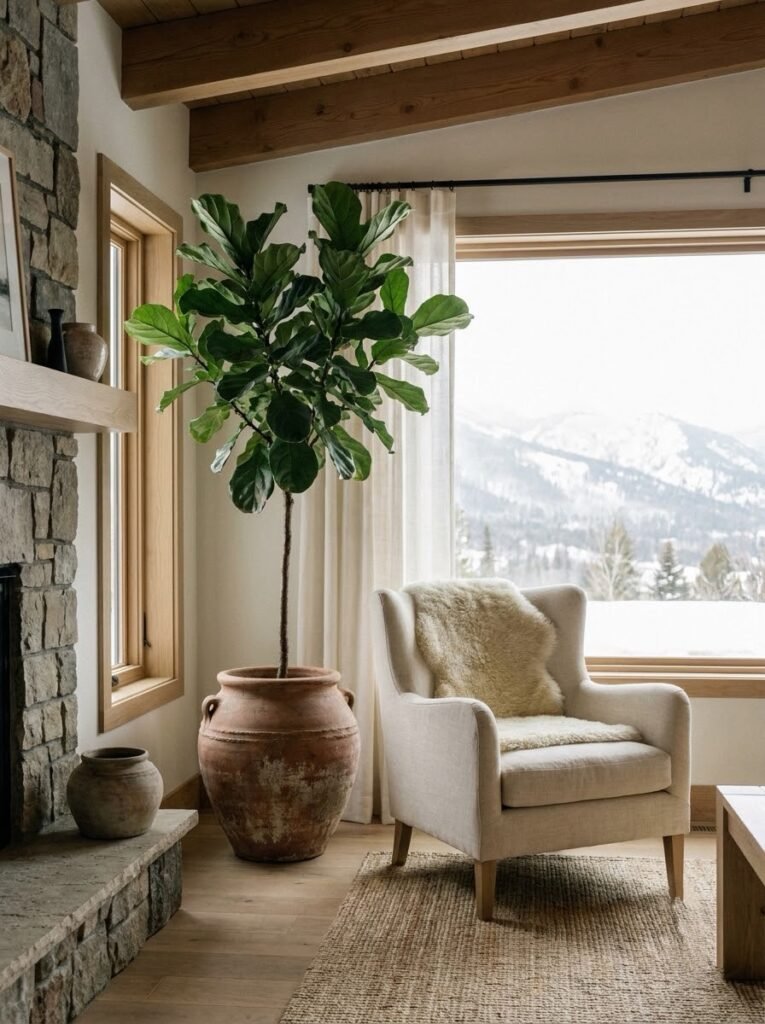
Instead of clustering ten small plants tightly together on a single surface, give your favorite statement plant its own dedicated corner. Letting a single, beautifully structured plant sit alone against a neutral wall draws maximum appreciation to its unique silhouette.
5. Pair Plants with Organic Accessories
Plants should never feel like they exist in isolation. To make your greenery look integrated into your overall interior design, style them alongside natural, complementary decor objects.
Place a small potted plant on top of a horizontal stack of vintage design books or neutral linen coffee table books. Rest a ceramic propagation station on a handmade plaster tray next to a minimalist amber candle. These thoughtful layers bridge the gap between plant care and interior styling.
Bringing It All Together
Styling indoor plants is an art form that evolves over time. By focusing on varied heights, unified pots, odd-numbered groupings, and intentional placement, you can turn your living space into a lush, breathable, designer-grade sanctuary.
Pingback: The Ultimate Guide to Water Propagation Aesthetic Indoor Jungle
Pingback: 5 Best Low-Light Indoor Plants for Dark Apartments