
There is something undeniably luxurious about cooking a meal in your own kitchen and being able to reach over and snip a sprig of fresh rosemary or a handful of basil right from your counter top.
For a long time, the idea of growing your own food seemed reserved for those with sprawling suburban backyards. However, the modern indoor herb garden has completely revolutionized how we approach fresh produce. Not only does a curated line of potted herbs elevate the entire aesthetic of your kitchen, but it also saves you from constantly buying those overpriced, plastic-wrapped herbs from the grocery store that inevitably wilt after two days.
Starting an indoor herb garden is incredibly rewarding and much easier than you might think. If you want to bring that fresh, farm-to-table aesthetic into your apartment, here is everything you need to know.
1. Choose the Right Herbs for Beginners
Not all herbs are created equal when it comes to indoor growing. If this is your first time, you want to start with resilient varieties that grow quickly and forgive the occasional missed watering.
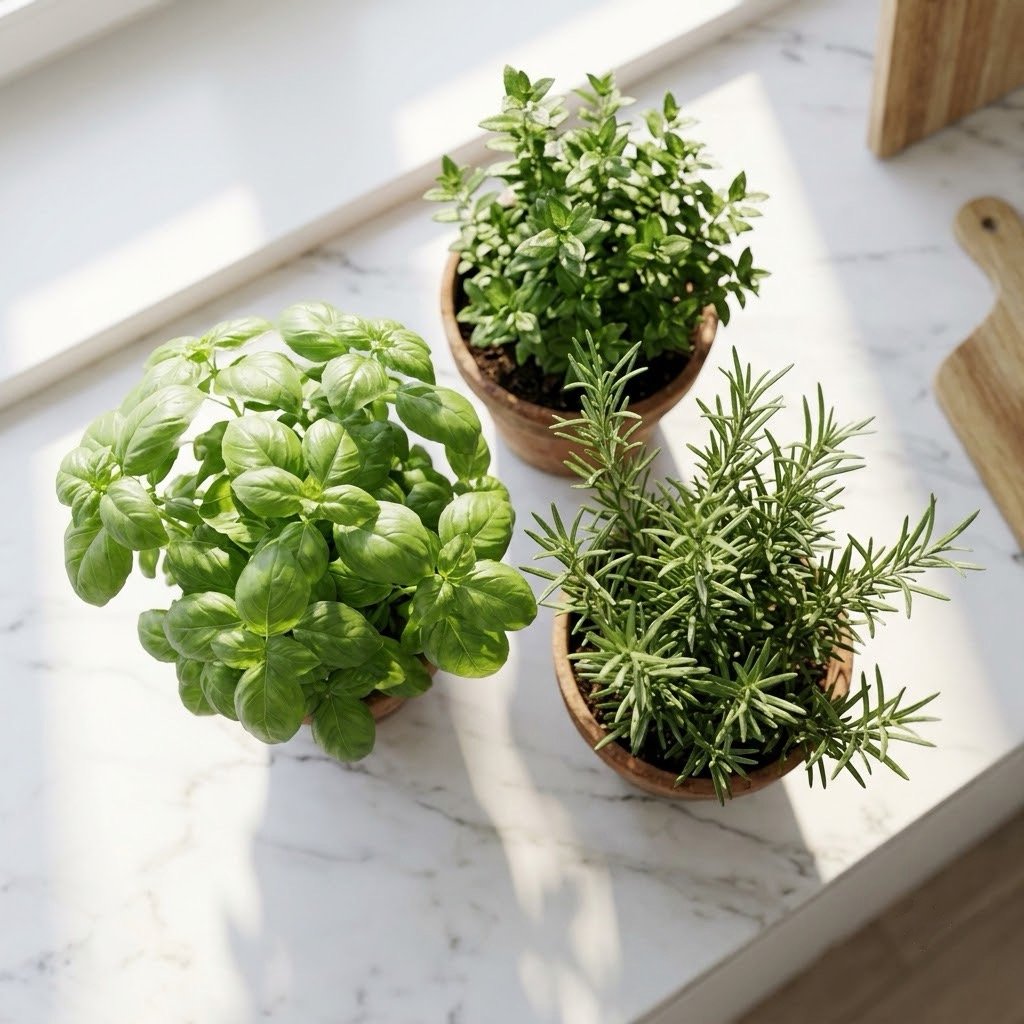
- Basil: The absolute king of the indoor herb garden. It grows rapidly, smells incredible, and is perfect for fresh pesto or garnishing pasta.
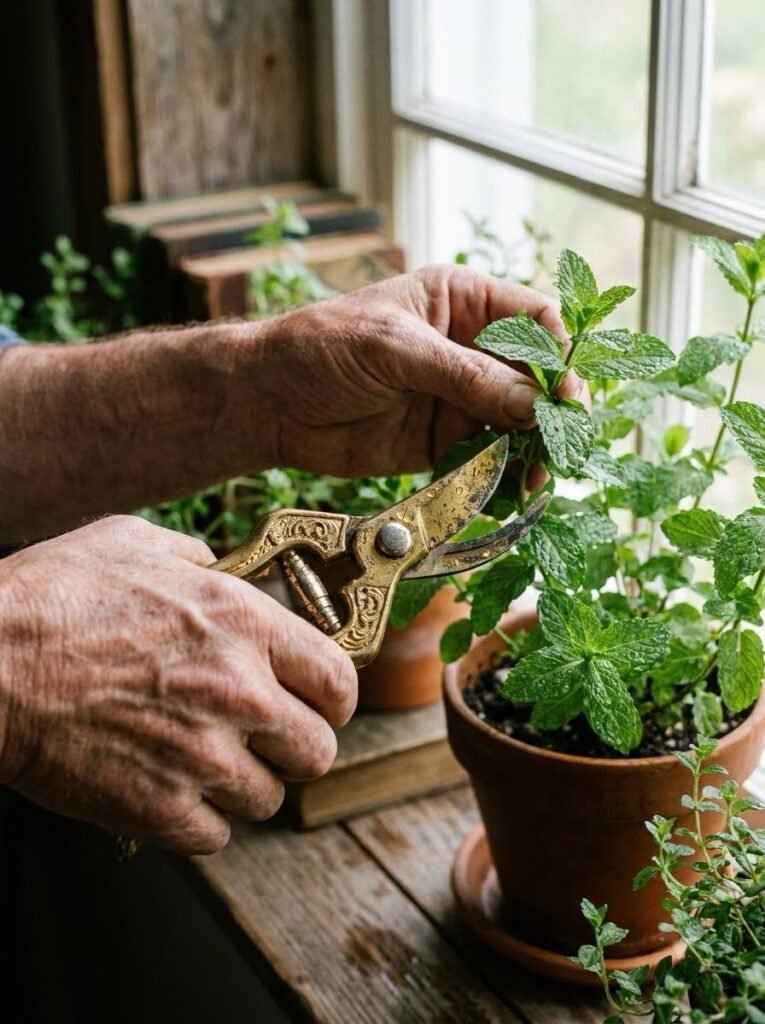
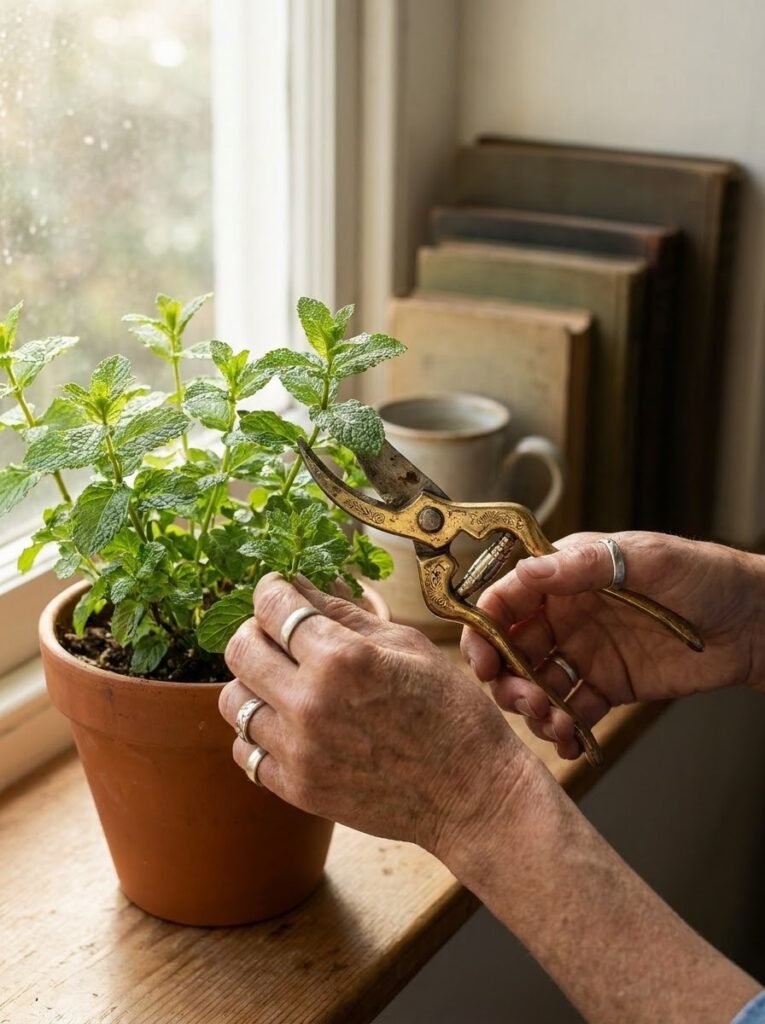
- Mint: Mint is famously aggressive. It grows so fast that it is actually recommended to keep it in a pot indoors, rather than planting it in a garden where it will take over everything. It is perfect for your morning tea or weekend cocktails.
- Chives: These are incredibly low-maintenance and provide a beautiful, grassy vertical texture to your plant lineup.
- Rosemary: A woody herb that prefers a slightly drier environment. It looks beautiful, smells like a high-end spa, and is perfect for roasting vegetables.
2. Lighting is Everything
The single biggest mistake people make with indoor herbs is treating them like regular low-light houseplants. Herbs are essentially vegetables; they require massive amounts of energy to produce those flavorful leaves.
Your herbs need a minimum of 6 hours of bright, direct sunlight every single day. A south-facing kitchen window is the absolute best real estate in your home. If your kitchen does not get enough natural light, do not worry! The modern market is full of incredibly aesthetic, minimalist LED “grow lights” that you can stick directly into the pots or mount under your cabinets to keep your plants thriving year-round.
3. The Potting Strategy
Proper drainage is non-negotiable. Herbs absolutely hate having “wet feet.” If their roots sit in stagnant water, they will quickly rot and die.
Never plant herbs in a cute ceramic pot that lacks a drainage hole at the bottom. The best aesthetic choice is classic terracotta clay pots. Terracotta is porous, meaning it actually breathes and pulls excess moisture out of the soil, preventing accidental over watering. Plus, as terracotta ages, it develops a beautiful, rustic patina that looks incredibly high-end.
4. Soil and Watering
Do not use dirt from outside. Purchase a high-quality, organic indoor potting mix that is well-draining. Because your herbs are in pots, they will dry out much faster than they would in the ground.
Check your plants every couple of days by sticking your finger an inch into the soil. If it feels dry, give them a thorough watering in the sink until water runs out the bottom. Let them drain completely before putting them back on their saucers.
5. The Secret to Massive Growth: Harvesting
This is the most counter-intuitive part of growing herbs: the more you cut them, the more they grow.
Many beginners are too afraid to trim their plants, leading to tall, leggy herbs that eventually flower and turn bitter. To keep your herbs looking bushy and producing massive amounts of leaves, you need to “pinch” or harvest them regularly. Always cut just above a set of growing leaves (a node). The plant will respond by sending out two new branches from that exact spot, resulting in a beautifully full, lush plant.
The Takeaway
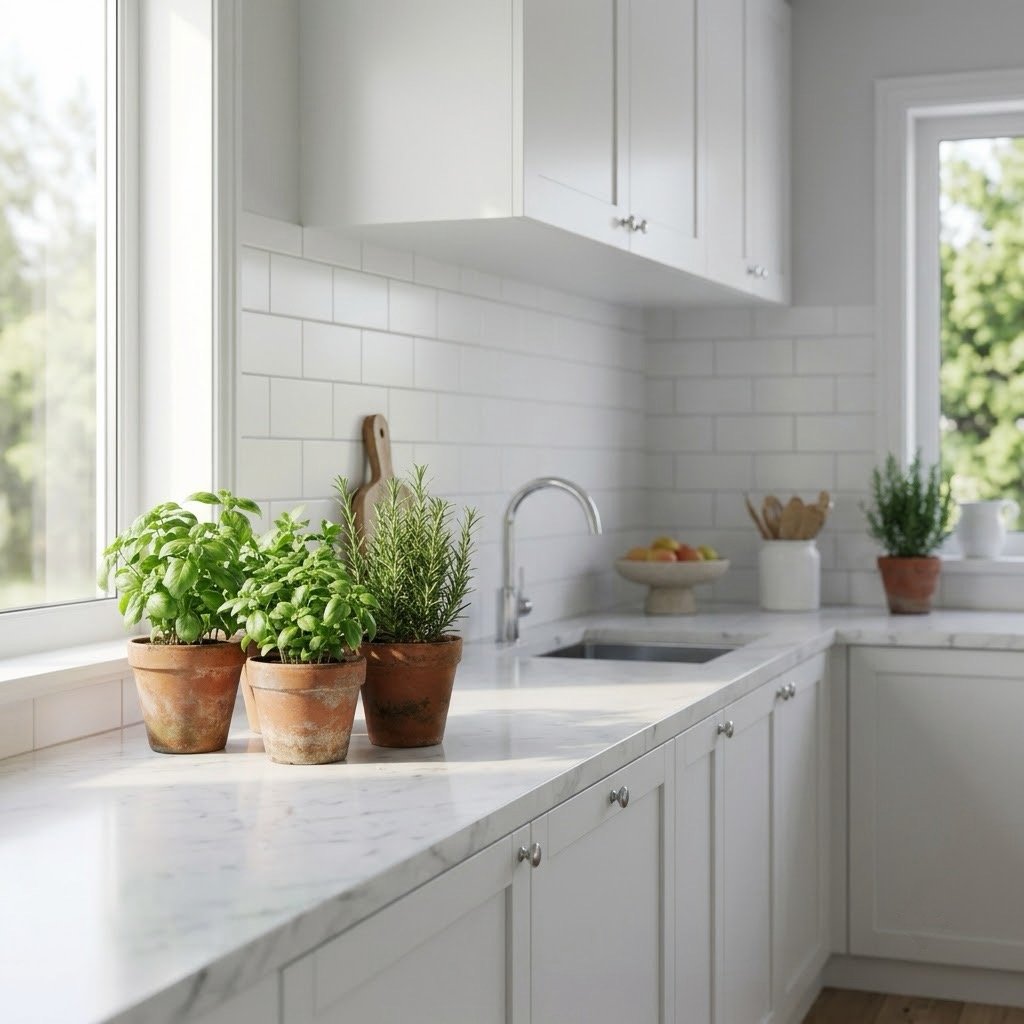
An indoor herb garden is the perfect intersection of beautiful home decor and practical, sustainable living. With a sunny windowsill, a few terracotta pots, and a little bit of water, you can transform your kitchen into a fragrant, vibrant culinary haven.